The Lord of the Rings Road Trip: Our 14-Day Scenic Explorer Route
Our Lord of the Rings Scenic Explorer is a 14-day self-drive road trip from Auckland to Queenstown, with the car, the accommodation and the headline tours arranged and booked for you. Here is the exact day-by-day route.
The Lord of the Rings Scenic Explorer is the full Middle-earth journey at a measured pace. You drive it yourself, but you never have to work out the logistics: we book the car, the places to stay and the key tours, then hand you the route. This is how the 14 days unfold.
- Day 1, Auckland: Arrive and settle in, with a private transfer from the airport to your Auckland base.
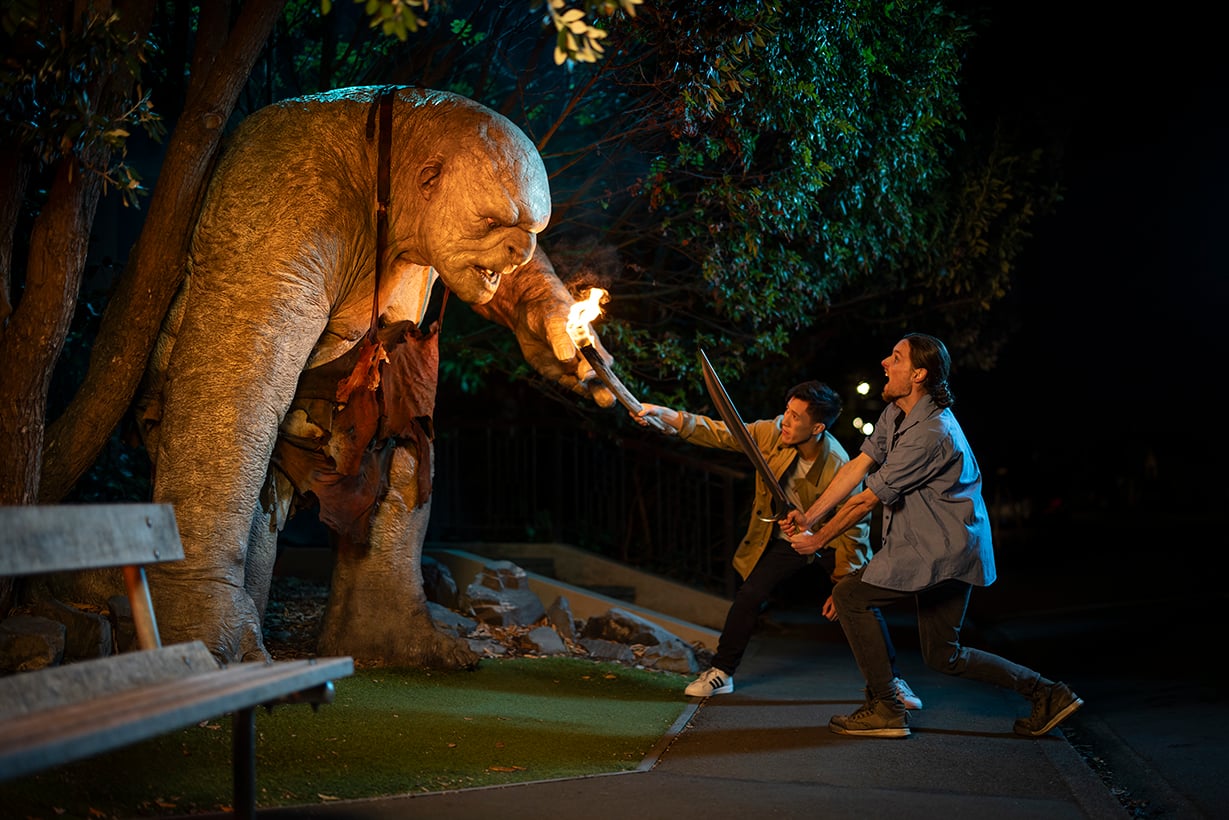
- Day 2, Auckland: Visit Wētā Unleashed, the interactive film-making experience.
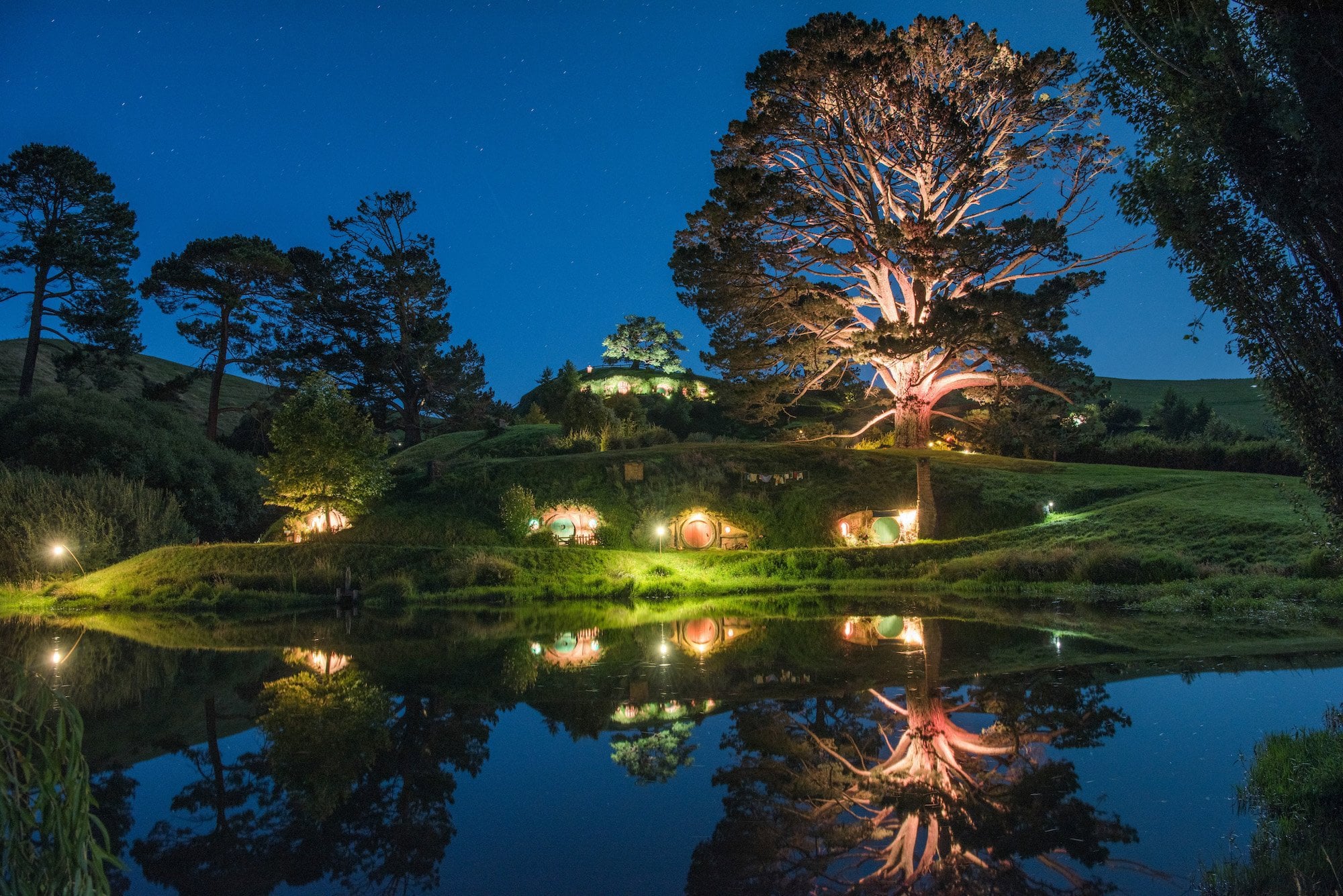
- Day 3, Hobbiton: Make your way to the Hobbiton Movie Set for a behind-the-scenes tour of the Shire.
- Day 4, central North Island: Take in Hobbit and Rings of Power sites, then head into the shadow of Mt Doom in the volcanic country near Tongariro.
- Day 5, to Wellington: Drive south through the heart of the North Island to Wellington, the middle of Middle-earth.
- Day 6, Wellington: Explore the city's key film sites and tour Wētā Workshop.
- Day 7, to the South Island: Cross Cook Strait by ferry, then trade the road for the water on a kayak along the Pelorus River, a filming location from The Hobbit.
- Day 8, Picton to Christchurch: Follow the coastline south to Christchurch.
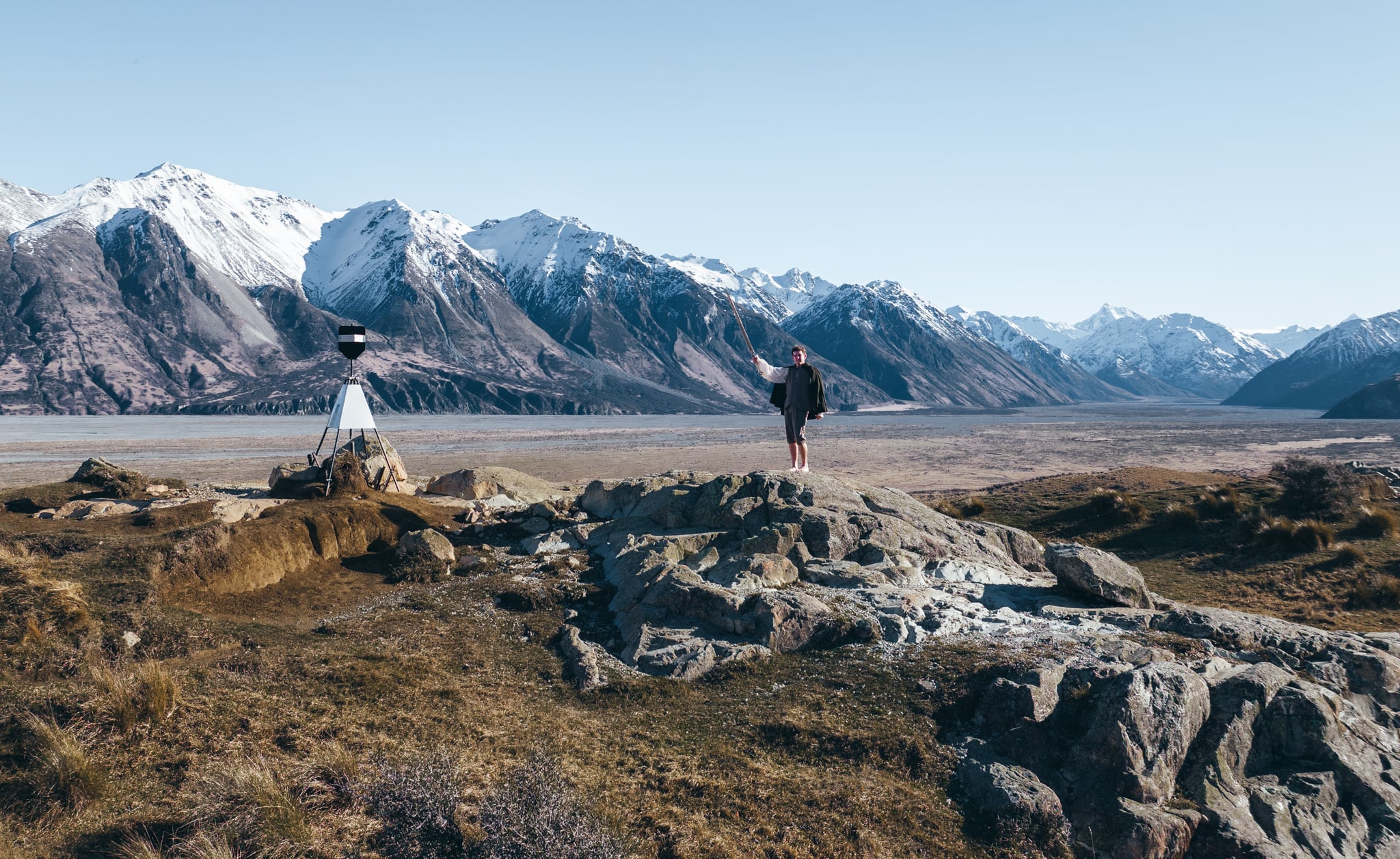
- Day 9, Canterbury high country: Spend a full day on a Lord of the Rings Edoras tour to Mt Sunday.
- Day 10, through Canterbury: Watch for the Return of the King scenes along the drive south.
- Day 11, to Queenstown: Journey through the mountains to Queenstown, home of the Pillars of the Kings.
- Day 12, Queenstown: Explore local film locations on a Safari of the Scenes.
- Day 13, Glenorchy: Venture up the lake to Glenorchy, the setting for Lothlórien.
- Day 14, Queenstown: Namárië (farewell) from Middle-earth, and onward travel.
Running the route north to south, Auckland to Queenstown, lets the trip build naturally and spaces the big set-piece locations (Hobbiton, Wētā Workshop, Edoras, Lothlórien) so each one has room to land.
Hiking to Mordor: The Tongariro Alpine Crossing
The Tongariro Alpine Crossing is the best LOTR hiking day in New Zealand. It's free, it's accessible, and it's genuinely hard in the right way.
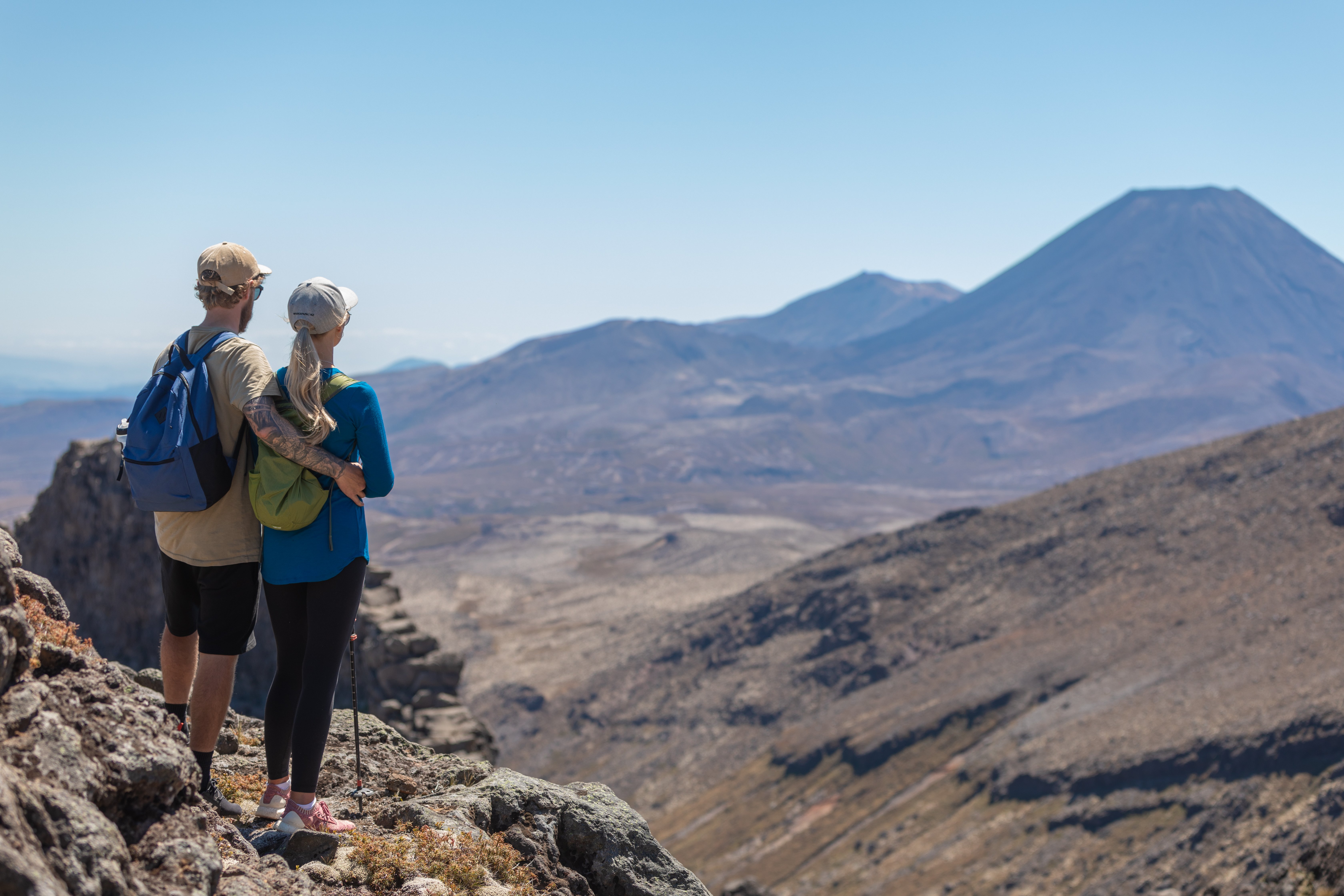
The Tongariro Alpine Crossing covers 19.4 km as a one-way traverse through the volcanic heart of the national park. Most walkers complete it in around 8 hours, and the track carries a Moderate difficulty rating. The route ascends through volcanic terrain to Red Crater at 1,886 m, then descends to the Ketetahi Carpark at 760 m. The section that skirts Mt Ngāuruhoe (the peak Jackson's crew used as Mount Doom) is the stretch every LOTR traveller is there for.
Don't take the Crossing lightly. "Moderate" by New Zealand standards means fit, experienced walkers on a favourable day. The terrain is fully exposed, weather conditions can shift without warning, and the elevation gain demands respect. Sturdy hiking boots, waterproof layers, and adequate water are essential. Summer (December to February) offers the most dependable conditions. Check the daily track forecast on the Tongariro National Park website before you set out.
Experienced walkers can extend their day with a summit attempt on Mt Ngāuruhoe itself. That's an out-and-back scramble to the actual peak of Mount Doom: the scoria underfoot is steep and loose, and it's a genuinely demanding addition. Factor in an extra 2-3 hours and consider going with a guide if volcanic terrain is unfamiliar territory.
If a single day doesn't satisfy and you want to go deeper into the park, the Tongariro Northern Circuit covers 43.1 km and loops around Mt Ngāuruhoe across three to four days, incorporating the Alpine Crossing section as part of the route. It's one of the finest multi-day walks New Zealand offers, with the mountain as a near-constant presence throughout.
Which LOTR Locations Can You Visit on Your Own?
Some LOTR locations are free and fully accessible. Others need a guide, a 4WD, or a helicopter. Knowing which is which saves a lot of wasted driving.
Here's the honest breakdown:
You can visit independently (free or low-cost):
- Mount Victoria, Wellington: the scene where the hobbits conceal themselves from the Black Rider was filmed in this hillside forest. It's a 10-minute walk from the central city, open to anyone, and costs nothing.
- Pelennor Fields (Twizel): the battle site is on private farmland but remains clearly visible from public roadside vantage points.
- Tongariro Alpine Crossing: arranging transport to the trailhead is the main logistical consideration.
- Putangirua Pinnacles: the Paths of the Dead location in the Wairarapa involves a 2-3 hour streambed return walk but requires no guide or entry fee.
You need a guide or special access:
- Hobbiton Movie Set: guided tour only, no exceptions.
- Mt Sunday (Edoras): accessible only via organised 4WD guided tours.
- Mt Owen (Dimrill Dale, the exit from Moria): reachable only on foot or by helicopter, with a 6-8 hour hike required to reach the site.
If you're visiting the locations independently, a detailed interactive map of every confirmed filming location exists at newzealandfilmmap.com, complete with scene context, access details, and guided tour options for each site. Keep it open on your phone from day one, it's the single most useful planning resource for navigating the Middle-earth locations.
The honest trade-off: travelling independently gives you flexibility and costs less upfront. But you'll miss Hobbiton entirely without a booked guided tour, you won't get to Edoras without arranging a 4WD operator, and you'll cover a lot of ground between locations without the context that makes each place land. That's the argument for a planned itinerary.
Lord of the Rings Filming Locations: A Map of Both Islands
The 150-plus filming locations across New Zealand feel overwhelming until you recognise that most cluster into five or six areas, and those are the ones worth routing around.
For a practical LOTR trip, these are the clusters to build your routing around:
North Island:
- Matamata/Waikato: Hobbiton
- Tongariro National Park: Mordor, Mt Doom, the volcanic plateau
- Wellington: Wētā Workshop, Mount Victoria
South Island:
- Canterbury high country: Mt Sunday (Edoras), Pelennor Fields near Twizel
- West Coast: Mt Gunn near Franz Josef, where the Beacons of Gondor sequence was captured
- Nelson/Marlborough region: various forest and river locations
For the full interactive picture, newzealandfilmmap.com charts every confirmed location with notes on the relevant scenes and directions for reaching each one. It's the most thorough planning tool available for anyone wanting to go beyond the headline sites.
The Wētā Workshop studio tour in Wellington deserves a separate mention. As the visual effects studio that brought the LOTR trilogy to life, it offers a guided studio tour, a half-day LOTR locations tour around Wellington, and a full-day combination with lunch included. I'd set aside at minimum half a day, preferably a full day if the films are the primary reason for your visit.
When Is the Best Month to Visit New Zealand for This Trip?
Summer (December-February) gives you the best hiking conditions but the busiest Hobbiton. Autumn (March-May) is the sweet spot most travellers overlook.
New Zealand's seasons run opposite to the northern hemisphere. Summer is December to February, autumn is March to May, winter is June to August, and spring is September to November.
For a Hobbiton and LOTR itinerary specifically, each season has a real shape:
Summer (December-February): The longest days, the most reliable conditions for the Tongariro Alpine Crossing, warmest temperatures across the trip. The drawback is that Hobbiton sells out 2-3 months in advance during this period. The Alpine Crossing trailhead also gets busy. Book everything well ahead.
Autumn (March-May): This is my recommendation for most travellers. The peak-season crowds have cleared, conditions remain solid for hiking, and the Waikato farmland surrounding Hobbiton takes on golden and russet tones that make the set look even more like an illustrated page. Mt Sunday and the Canterbury high country are particularly striking under autumn light.
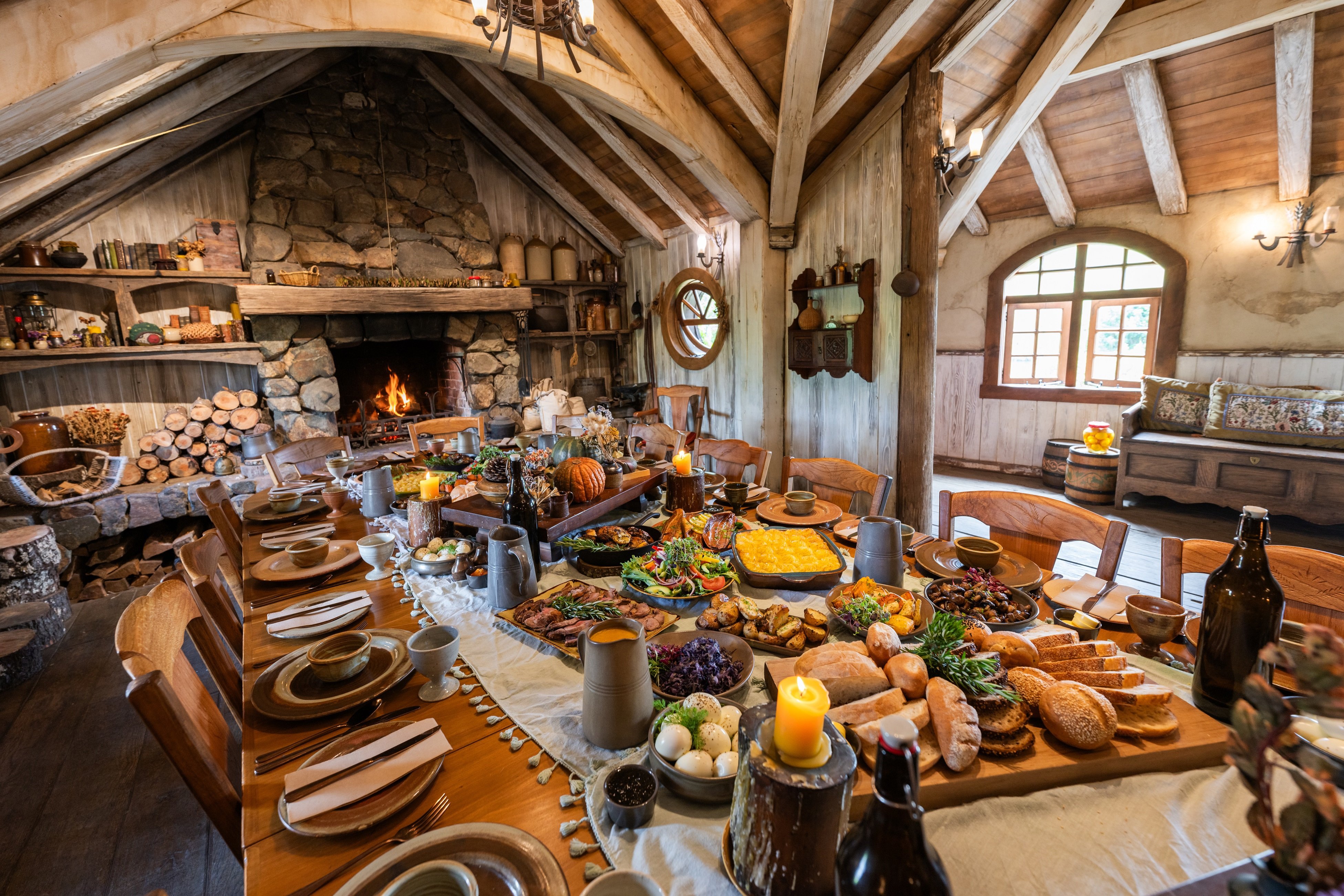
Winter (June-August): Tongariro becomes a serious alpine environment: snowpack on the crossing route, greater likelihood of track closures. Hobbiton continues operating throughout the year regardless. The Green Dragon has real appeal on a cold evening, and the Evening Banquet Tour takes on a different atmosphere in the depths of winter dark.
Spring (September-November): Good for thinner crowds and improving alpine conditions at Tongariro. Hobbiton's gardens are at their most colourful in late spring. Hobbiton also runs occasional seasonal events, so ask us what's on for your dates.
Can You Stay Overnight at Hobbiton?
No. The Evening Banquet Tour is the closest the set gets to an after-dark experience, but there is no overnight accommodation on the Hobbiton Movie Set.
This question comes up regularly. The direct answer is that the set closes once the final tour of each day concludes, no accommodation exists on the property and no one can spend the night in the Shire. The Evening Banquet Tour does include a moonlit walk back through the set after the feast, which is the nearest any visitor gets to the feeling of being in Middle-earth after dark.
For accommodation in the vicinity, Matamata township is the practical answer, sitting about 15 minutes from the set entrance and offering a range of B&Bs and small lodges. If you'd prefer more space and open countryside around you, the Waikato farmstay scene is well-established, get in touch and we'll match you with something appropriate.