Where to Find Lupins in New Zealand, and When to See Them.
If you’ve ever seen photos of New Zealand that look like they’ve been plucked from a dream, chances are those pictures included fields of blooming lupins. These vibrant pink, purple, and blue flowers have become somewhat iconic for travellers to New Zealand. But what’s the story behind these stunning flowers? And where can you go to catch them in full bloom? Let’s dive in!
Lupins in New Zealand at a Glance
Planning your trip around lupin season? Here's a quick overview before you dive into the details.
| Best time to see lupins | Late November to early January |
|---|---|
| Peak flowering | Late November to mid December (varies slightly each year) |
| Best places | Lake Tekapo, Lake Pukaki and the Mackenzie Basin |
| Best time of day | Sunrise or sunset for the best light and fewer crowds |
| Island | South Island |
| Good to know | Lupins are an introduced species. Please enjoy them responsibly and avoid trampling surrounding vegetation. |
A Little History: How Lupins Got to New Zealand
Surprisingly, lupins aren't native to New Zealand. They were introduced in the 1940s by a local farmer, Connie Scott, who had a vision of turning the harsh, barren landscape of Mackenzie Country into a more vibrant and lush environment. She scattered seeds all over the region, not knowing that this simple act would create a national sensation. Lupins were first brought in as a way to help stabilise the soil and add nutrients back to the land, but what no one realised was how quickly these flowers would spread and take root across the country.
Nowadays, they’ve become synonymous with picturesque New Zealand landscapes. If you’re planning to visit during the blooming season, lupins are a must-see, but there’s more to these beauties than just their good looks.
The Environmental Impact of Lupins
While lupins are undoubtedly stunning, they do come with some environmental baggage. Being an introduced species, they’re not exactly friends with New Zealand’s native plants and wildlife. Lupins thrive in areas with poor soil and tend to push out local species. They can also alter waterways by disrupting the natural flow of rivers, particularly in places like Canterbury and Mackenzie Country.
Conservationists have had a mixed relationship with these flowers for years. While they add to the aesthetic charm and are a big draw for tourists, they’ve also created headaches for those trying to protect native ecosystems. So, while we can all agree that they look fantastic in Instagram snaps, it's important to remember that they do come with some unintended environmental consequences. Because of this, the New Zealand Department of Conservation have issued control laws for lupins, controlling where they are planted, and stopping them from spreading into high-risk areas. What this means for travellers is that there will be fewer wild lupins, but in the places we recommend below, you'll see a higher concentration of them.
When to See New Zealand Lupins in Bloom
If you’re chasing the perfect shot of a lupin field, timing is everything. Lupin season in New Zealand is late spring and early summer, with the best time to see lupins in all their colourful glory is from mid-November to early December. The exact timing can shift slightly depending on the weather, but generally speaking, you’ll get the most vibrant blooms in December. Another thing to remember is that a lot of the lupin fields are situated in alpine environments, so weather can be unpredictable at times - so make sure you plan your trip accordingly!
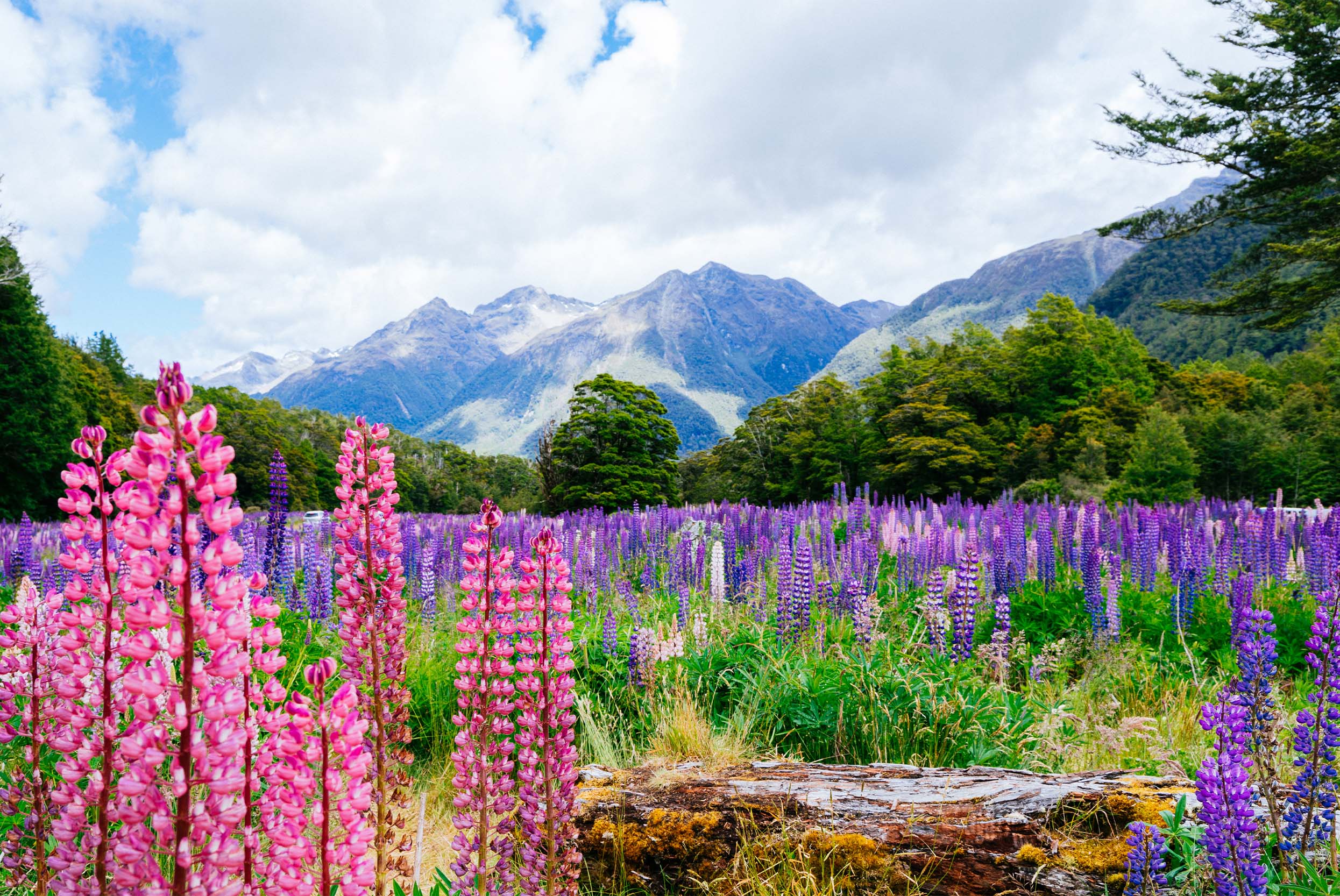
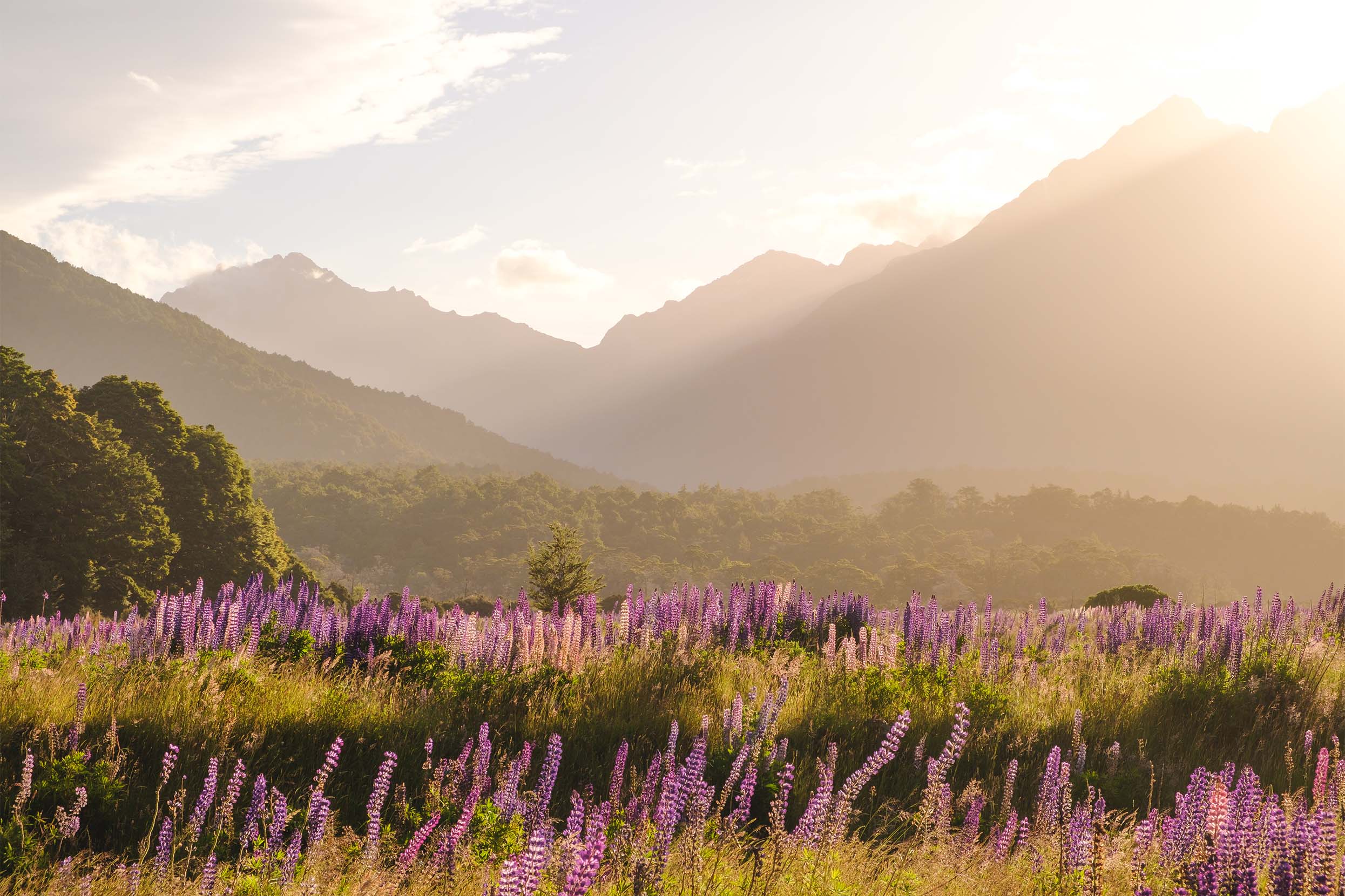
Lupins grow particularly well in the South Island, and if you’re travelling during this time, you’ll likely spot them even if you’re not specifically seeking them out. They tend to pop up along roadsides, rivers, and open plains, making for some absolutely jaw-dropping drives.
Lupin Flowering Calendar
Flowering varies slightly each year depending on spring temperatures, but this is a good guide when planning your trip.
| Month | What you'll see |
|---|---|
| October | Very few flowers |
| Mid November | Lupins begin blooming |
| Late November | Excellent displays across the Mackenzie Basin |
| Early December | Peak flowering |
| Late December | Still beautiful in many areas |
| January | Some flowers remain, although displays begin to fade |
The Best Spots to See New Zealand Lupins
Now, where exactly should you go to see these vibrant fields of flowers? Here are a few of the best places to catch them in full bloom. Just remember, a lot of these locations are relatively close to each other. So if you miss out at one spot, check out the next one on the list and you might have better luck!
1. Mackenzie Country
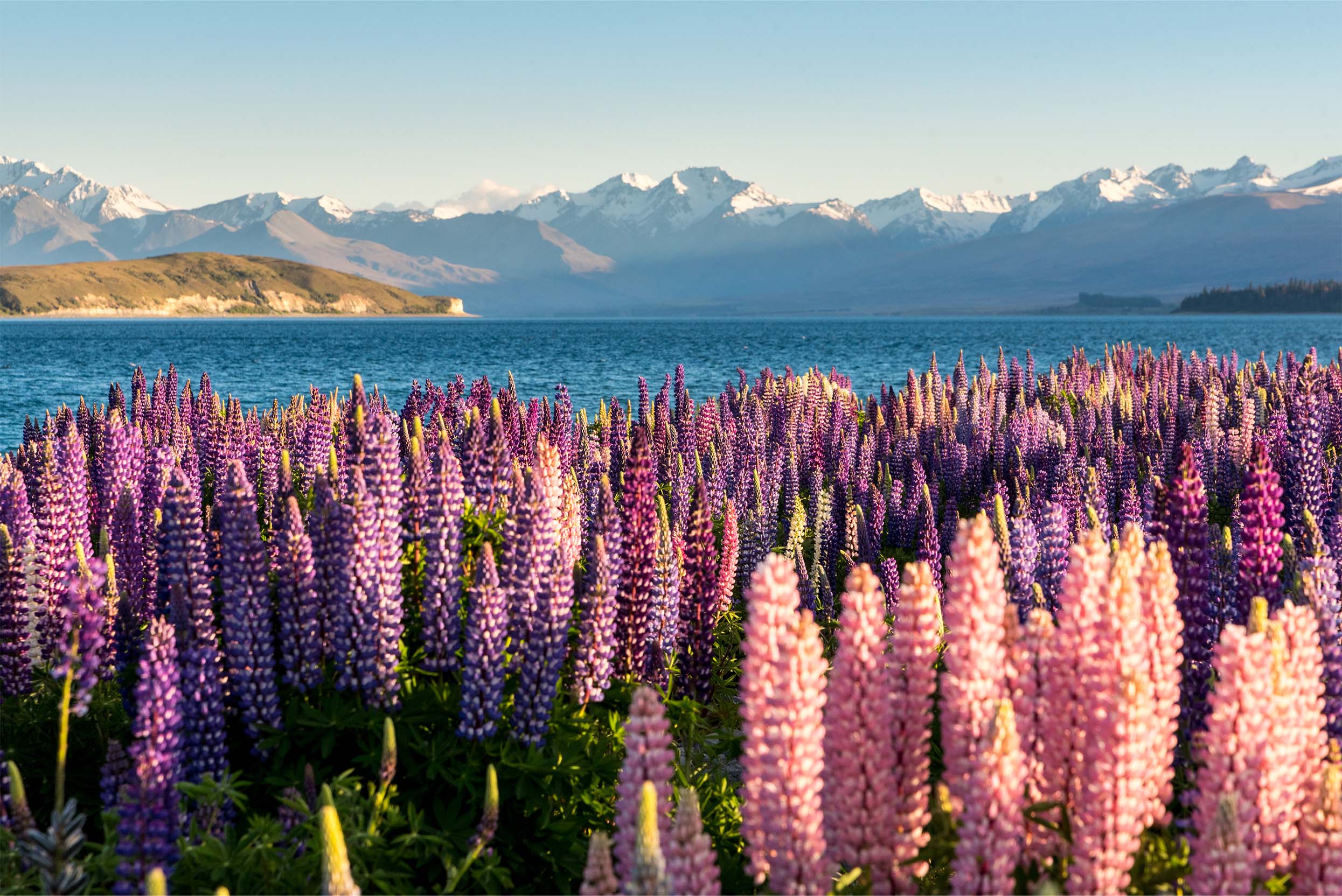
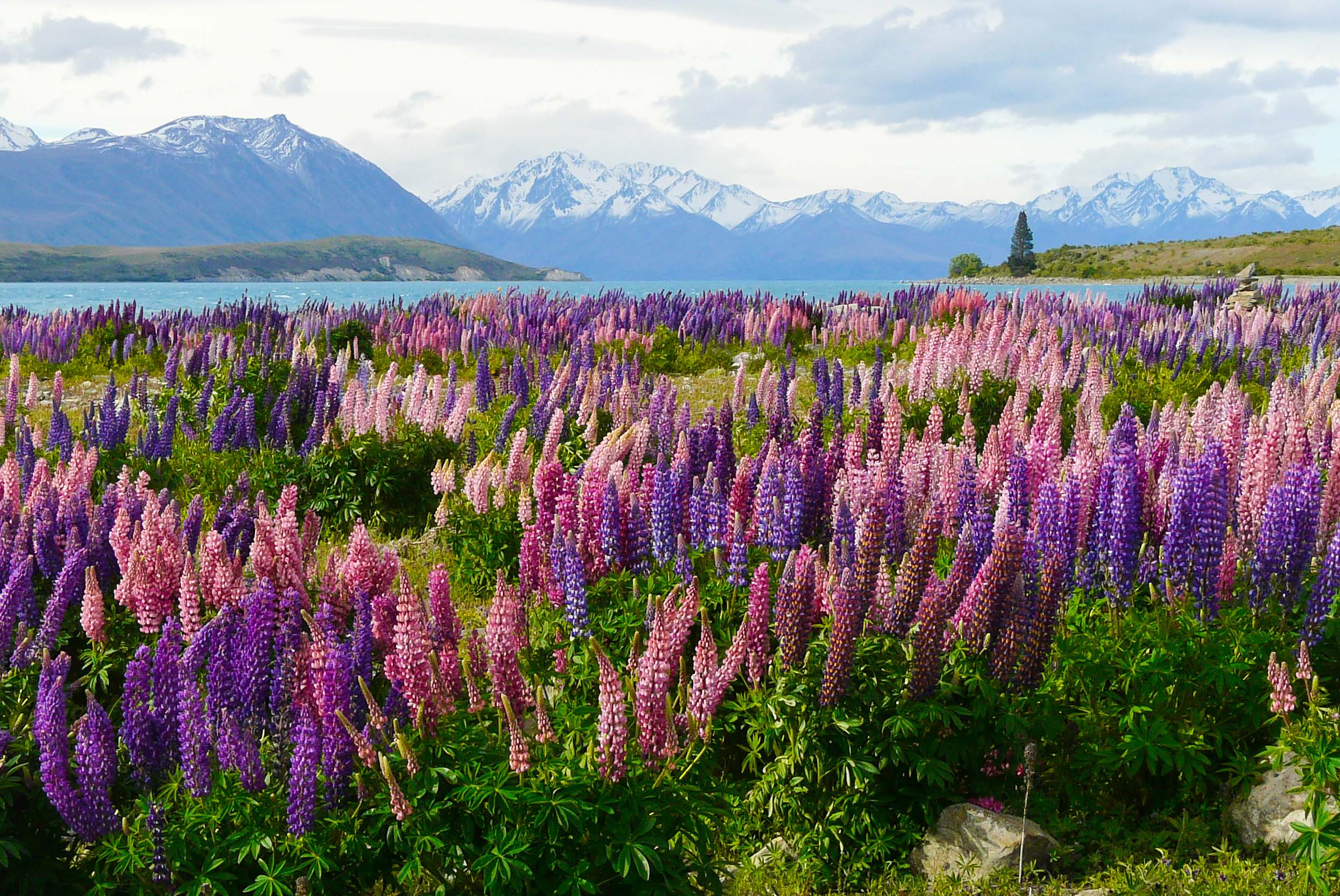
This is the heartland of lupin country and probably the most famous spot to see them. In the Mackenzie Basin, the flowers blanket the landscape in purples, pinks, and blues. The area around Lake Tekapo is particularly popular – it’s one of the most photographed lupin locations in the country. The contrast of the turquoise waters of the lake and the vibrant lupins makes for a picture-perfect scene. Mackenzie Country is also home to a wide range of beautiful hikes, so there's plenty to do around here, even if you don't manage to find lupins.