
If you’re planning a New Zealand road trip, you’re already on the right path. For many U.S. travellers, driving is the most rewarding way to explore the country. It gives you the freedom to take things at your own pace, stop for views that genuinely make you pause, and discover small towns most visitors fly past.
I’ve driven almost every major route across both islands over the years. With a bit of preparation, a road trip in New Zealand is not only safe for Americans, it’s one of the most enjoyable ways to experience the country’s landscapes, lakes, forests and coastal routes.
This guide is written for midlife professionals looking for a meaningful escape, the multi-gen families gathering everyone together, the empty nesters finally ticking off their dream trip, and the seniors who value comfort and confidence on the road.
Let’s get you set up for the best possible journey.
What Makes Driving in New Zealand Different from the U.S.?
What side of the road does New Zealand drive on?
We drive on the left. This is usually the biggest concern for U.S. visitors, so let’s address it early. Most Americans adjust faster than they expect. Clear signage, slow-paced urban driving, and well-marked lanes all help you settle in quickly.
If you’re arriving from a long-haul flight, give yourself at least one quiet day before tackling longer distances. It makes a huge difference.
Narrower, more scenic roads
New Zealand roads are often narrower than what you’re used to in the United States. This isn’t a problem if you drive with patience and keep a comfortable speed.
Expect:
- Winding coastal stretches
- Hills and mountain passes
- Limited shoulder space
- Occasional single-lane bridges
Slower speed limits
Our open-road speed limit is typically 100 kilometres (62 miles) per hour. Towns range between 30 km/h and 60 km/h.
‘Give Way’ vs ‘Yield’
U.S. drivers know YIELD signs; New Zealand uses GIVE WAY signs in the same situations.
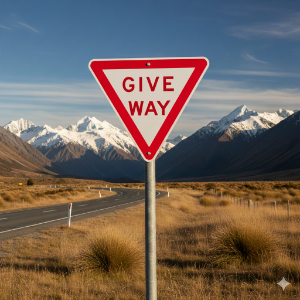
NZ GIVE WAY means you must slow down and be prepared to stop for any traffic with right-of-way.
At intersections without traffic lights, NZ rules generally prioritise the car coming from your right.
At T-intersections, traffic on the terminating road must give way to all vehicles continuing on the through road.
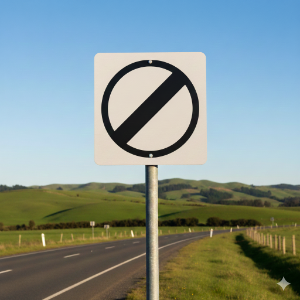
Open Road Signs & Speed Limits
Open Road (black diagonal stripe on white sign):
Means the speed limit increases to the default 100 km/h (62 mph) unless otherwise posted.
It does not mean “drive 100.” Roads may be narrow, winding, or unsealed, so comfort and conditions should dictate speed.
Urban areas (town/city):
Typically 50 km/h (31 mph) unless otherwise signposted.
Rural roads:
Often 80–100 km/h, but very curvy. Emphasise that driving slower is perfectly normal.
No Right Turn on Red
New Zealand does not allow turning left or right on red signals (unless a green arrow permits it).
For information on New Zealand road rules, visit Drive Safe New Zealand
Road Safety Essentials for U.S. Travelers
Can I drive in New Zealand with a U.S. license?
Yes. You can legally drive in New Zealand with a valid U.S. driver’s licence for up to 18 months. An International Driving Permit is optional but must be carried if your licence isn’t in English.
Roundabouts
You’ll see them often. Yield to vehicles coming from your right, enter when clear, and take your time. They’re more intuitive than they appear.
Indicate (signal) correctly
Left turn (first exit): Indicate left as you approach the roundabout, and keep that signal on as you leave via the first exit.
Straight ahead (second exit): No indicator is needed when entering. Once you pass the exit immediately before yours, signal left to show you’re exiting.
Right turn (3rd exit or more): Signal right as you approach and while traveling around the roundabout. When you pass the exit just before the one you’re taking, switch to a left signal to exit safely.
Rural hazards
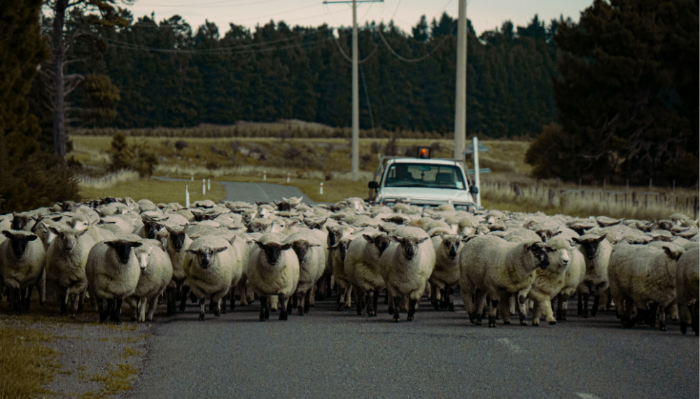
Sheep and Cattle
Occasionally you may meet sheep or cattle on the road. It’s part of the charm. Slow right down, keep calm, and follow the farmer’s cues.
Rail Crossings
Some rural rail crossings have no barrier arms. Slow down, look carefully, and only cross when safe.
Weather awareness
Rain can make winding roads slippery. In winter, shaded areas of the South Island sometimes develop black ice. Before crossing alpine passes between June and August, check conditions and carry chains if required.
Jetlag and fatigue
This one is especially important for North Americans. Do not attempt to drive long distances on arrival day. Give yourself time to rest before hitting the road. Note that the legal blood alcohol limit is 0.05%.
Understanding New Zealand Distances and Travel Times
One of the biggest surprises is how long travel can take. It’s not because the distance is huge. It’s because the roads are winding, scenic, and less direct.
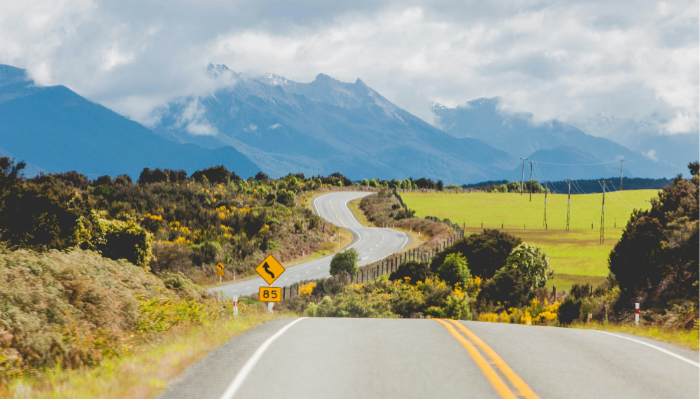
Here are common travel times:
- Auckland to Rotorua: around 3 hours
- Queenstown to Te Anau: around 2 hours
- Franz Josef to Wānaka: around 4.5 hours
- Christchurch to Lake Tekapo: around 3 hours
A comfortable driving day for most travelers is 2 to 4 hours. Multi-gen families with mixed energy levels often prefer shorter days, and seniors usually appreciate frequent stops.
Seasonal Driving Expectations
Summer
Long daylight hours and warm conditions. Roads can be busy during local holiday periods.
Autumn and Spring
Excellent times for U.S. visitors. Comfortable temperatures, stable weather, and fewer crowds.
Winter
Beautiful crisp landscapes but shorter daylight. Snow can affect higher routes in the South Island. If you’re not confident about winter driving, consider guided day trips for alpine sections.
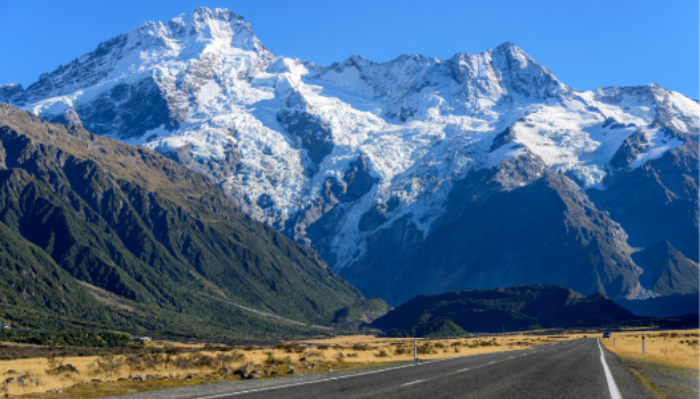
Choosing the Right Vehicle
Most U.S. travelers prefer a comfortable automatic SUV. It offers generous luggage space, great visibility and a smooth ride on winding roads.
For multi-gen families
A 7-seater or two vehicles works well, especially when traveling with adult children or grandparents.
For empty nesters and seniors
An SUV with higher seating makes getting in and out easier.
Insurance
Full coverage removes stress and is worth every dollar given New Zealand’s varied road conditions.
Practical Tips for a Smooth Road Trip
- Download offline maps for remote areas.
- Fuel stations can be spaced out in rural stretches. Top up when half full.
- Pull over at slow vehicle bays to let others pass.
- Plan one or two gentle days at the start of your trip to manage jetlag.
- In summer, book rental cars and accommodation well ahead.
Routes Ideal for First-Time U.S. Road Trippers
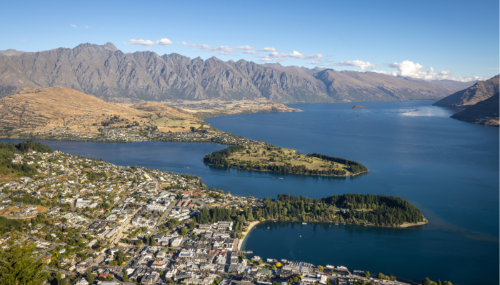
South Island: 9 Days
A classic introduction to the South Island.
Explore Christchurch, Mount Cook, Dunedin, Milford Sound, Queenstown, Wānaka, Franz Josef and take the TranzAlpine scenic train through the Southern Alps back to Christchurch.
North Island: 11 Days
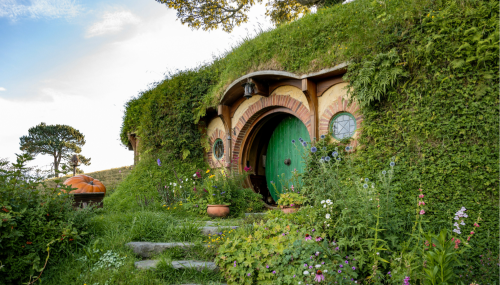
Visit Auckland, Waiheke Island, Hobbiton, Rotorua, Taupō, Hawke's Bay, Wellington, and take the Northern Explorer Scenic Train back to Auckland.
A great blend of the North Island's major cities, Māori culture and geothermal highlights.
Both Islands: 14 Days
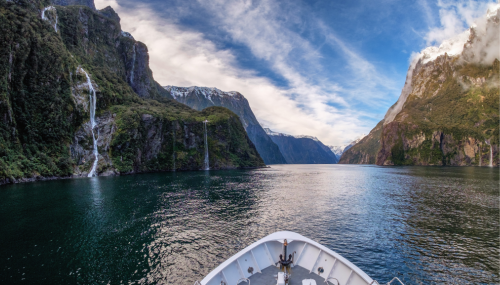
Perfect for U.S. travelers who want to experience the essential must see destinations of New Zealand in one 2 week trip.
Auckland, Coromandel Peninsula, Rotorua, Taupō, Napier, Wellington, take the Interislander ferry across the Cook Straight to Picton, then head to Nelson, Hokitika, Franz Josef, Queenstown, Te Anau, Milford Sound, Dunedin.
Explore more ideas and ready-made itineraries here: Self Drive Vacations
When a Guided or Part-Guided Trip Might Work Better
Some travelers prefer a mix. Seniors often appreciate guided days for alpine areas. Multi-gen families sometimes like shared downtime while someone else handles the logistics. It keeps everyone relaxed.
Explore New Zealand guided tours here: Guided Coach Tours
FAQs: Driving in New Zealand for Americans
Can I drive in New Zealand with a U.S. license?
Yes. You can drive for up to 18 months using your U.S. licence.
What side of the road does New Zealand drive on?
The left. Give yourself one easy day to adjust and you’ll be fine.
Is it safe to drive in New Zealand?
Yes. Roads are well maintained and traffic is light outside major cities.
Do I need an International Driving Permit?
Not required for U.S. visitors, though you'll need one if you licence isn't in english.
How long should my New Zealand road trip be?
Most U.S. travelers spend 2 to 4 weeks exploring one or both islands.
When is the best time for a New Zealand road trip?
March, April, September, October and November are best months to visit to experience fewer crowds and pleasant weather conditions.
Ready to Start Planning Your New Zealand Road Trip?
A road trip in New Zealand is one of the most rewarding ways to explore the country. Whether you want a relaxed pace, a multi-gen adventure, or a bucket-list journey through both islands, we’ve helped thousands of U.S. travelers create experiences that feel easy, meaningful and unforgettable.
Browse our 100% customisable self-drive itineraries and start shaping your journey: Self-Drive Vacations